RWANDA CALLS FOR AMBITIOUS GLOBAL TREATY TO END PLASTIC POLLUTION
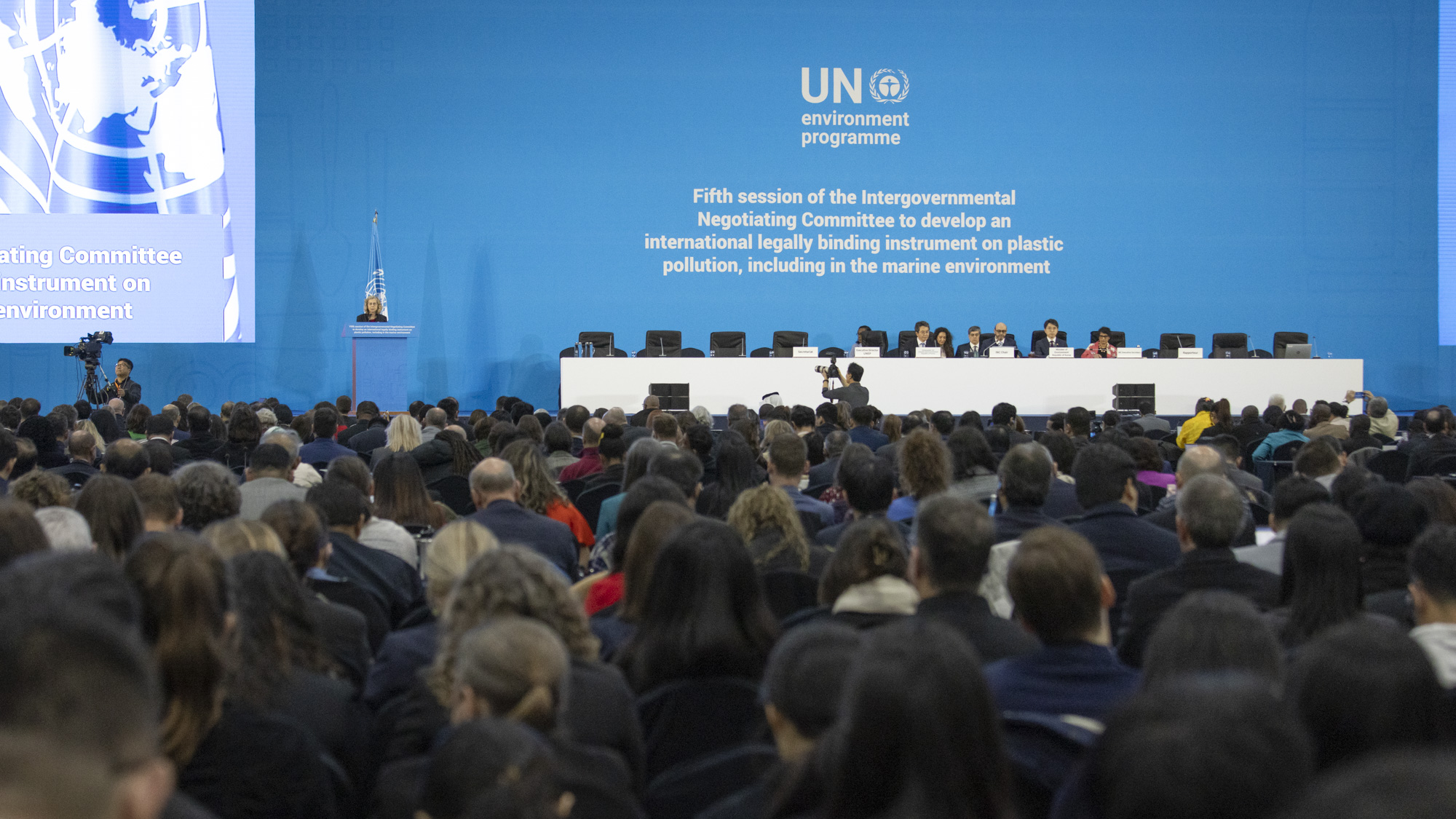
As negotiators from around the world gather for the fifth session of the Intergovernmental Negotiating Committee (INC-5), Rwanda reiterates its commitment to achieving a legally binding treaty to end plastic pollution. Given the severity of the global plastics crisis, Rwanda is calling for ambitious, just, and enforceable global rules to end plastic pollution and safeguard the health of people and the planet.
As Co-Chair of the High Ambition Coalition to End Plastic Pollution, Rwanda will continue to champion a strong treaty that addresses the root causes of plastic pollution and prioritises accountability. Rwanda is advocating for:
- Global Rules: A treaty that considers the full life-cycle of plastic pollution, including a global target to reduce plastic production to sustainable levels, while also promoting sustainable alternatives and fostering vibrant circular economies.
- Ambitious and Measurable Targets: Legally binding commitments, robust monitoring mechanisms, and accountability frameworks are essential for effective implementation and meaningful progress. Rwanda is also calling for the treaty to take a start-and-strengthen approach to ensure increasing ambition over time.
- Equity and Inclusion: The treaty must protect and empower the most affected communities and ensure a just transition for waste pickers and informal workers who play a vital role in managing plastic waste.
- Implementation Support: A new dedicated Multilateral Fund with the capacity to support developing countries to achieve their obligation under the treaty, alongside mechanisms that attract a broad base of finance to address plastic pollution.
“For two decades, Rwanda has demonstrated its commitment to tackling plastic pollution through bold national policies and regional leadership. We are now taking these home-grown innovations to the world,” said Dr Valentine Uwamariya, Minister of Environment, Rwanda. “At INC-5, we call on the global community to unite behind an ambitious and enforceable treaty that delivers a future free from plastic pollution.”
With negotiations at INC-5 marking the final stage of the treaty development process, Rwanda is urging all stakeholders to seize this opportunity to secure a historic agreement that protects humanity and nature.
Background Information
Introduction
Plastic pollution is one of the most critical environmental challenges globally, with far-reaching impacts on biodiversity, ecosystems, and human health. In Rwanda, this issue has been addressed proactively through a series of progressive legislations and environmental policies, beginning in 2004. Since then, Rwanda has taken steps to mitigate plastic pollution, leading to significant positive outcomes both nationally and globally.
Rwanda’s Journey to Address Plastic Pollution
Rwanda’s journey began in 2004 after assessing the social and environmental impacts of uncontrolled plastics. In response, Rwanda adopted a law that banned the production, import, sale, and use of plastic carry bags in 2008. The enforcement of this law led to visible positive changes, including cleaner streets, reduced pollution, and a healthier environment.
However, despite these efforts, the challenge of single-use plastics continued to grow. In response, the 2008 law was revised in 2019 to extend the scope and address the growing threat of single-use plastics. The new law prohibiting the production, import, used and sale of single-use plastic
Despite Rwanda's progress, plastic pollution - both imported and from neighbouring countries - continues to affect our environment. This highlighted the need for a global solution, as Rwanda’s efforts alone were not enough to tackle the transboundary nature of plastic pollution. Recognising this, Rwanda joined hands with Peru and co-authored a draft resolution aimed at ending plastic pollution globally.
Global Action and Rwanda’s Leadership
Plastic pollution is a global crisis that requires a global solution. The Rwanda-Peru draft resolution gained widespread support and was adopted during the Fifth Session of the UN Environment Assembly (UNEA-5) in March 2022. The resolution, titled “End Plastic Pollution: Towards an International Legally Binding Instrument,” established an Intergovernmental Negotiating Committee (INC) to draft a global treaty with a target to complete its work before the end of 2024.
The INC was established and started its work in 2022 and negotiations have been ongoing. The final INC session, known as INC-5, takes place from November 25 to December 1, 2024 in Busan, Republic of Korea.
High Ambition Coalition and Rwanda’s Role
Following the adoption of the resolution, Rwanda, in partnership with Norway, launched the High Ambition Coalition to End Plastic Pollution (HAC). This coalition, co-chaired by Rwanda and Norway, has brought together 68 countries committed to an ambitious and comprehensive global plastic treaty.
The High Ambition Coalition provides a platform for like-minded countries to advocate for strong measures, including setting global targets to reduce the production and use of plastics, and promoting sustainable consumption patterns. Rwanda is proud to co-lead this initiative and to push for a treaty that addresses the root causes of plastic pollution.
Rwanda’s Priorities in the Plastic Treaty Negotiations
Rwanda’s key priorities in the plastic treaty negotiations include:
- Securing a legally binding global treaty with ambitious, time-bound targets for sustainable plastic production and consumption.
- Establishing global targets to reduce primary plastic polymer production and to set measurable actions to achieve these targets.
- Ensuring the treaty includes financial mechanisms to support developing countries in fulfilling their obligations under the treaty.
Rwanda also seeks to host the Diplomatic Conference that will conclude the treaty negotiations and open the treaty for signature by Member States. Rwanda has joined forces with Peru to submit the KigaLima joint candidacy to host this conference, with “KigaLima” representing the combination of two capitals, Kigali and Lima.
Topics

CMAS 2026 PROGRAMME LAUNCHED AS AFRICA’S CARBON MARKETS MOVE FROM READINESS TO DELIVERY
Africa is emerging as an exciting destination to develop carbon market projects with improved policy certainty and more and more projects becoming…
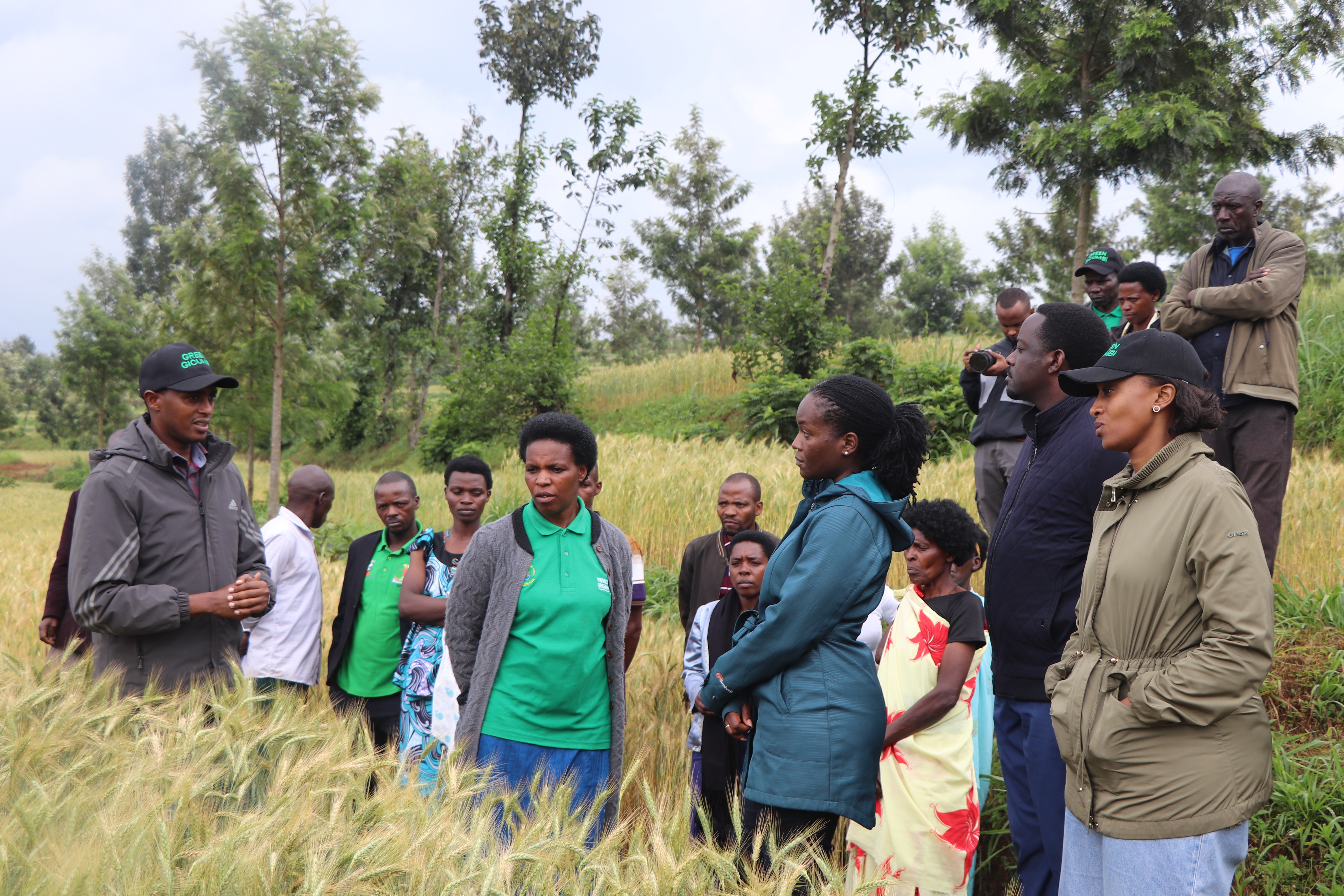
Minister Dr. Arakwiye Bernadette Visits Green Gicumbi Project in Northern Rwanda.
Minister of Environment Dr. Arakwiye Bernadette visited Green Gicumbi Project to assess the progress and impact of climate-resilient interventions…
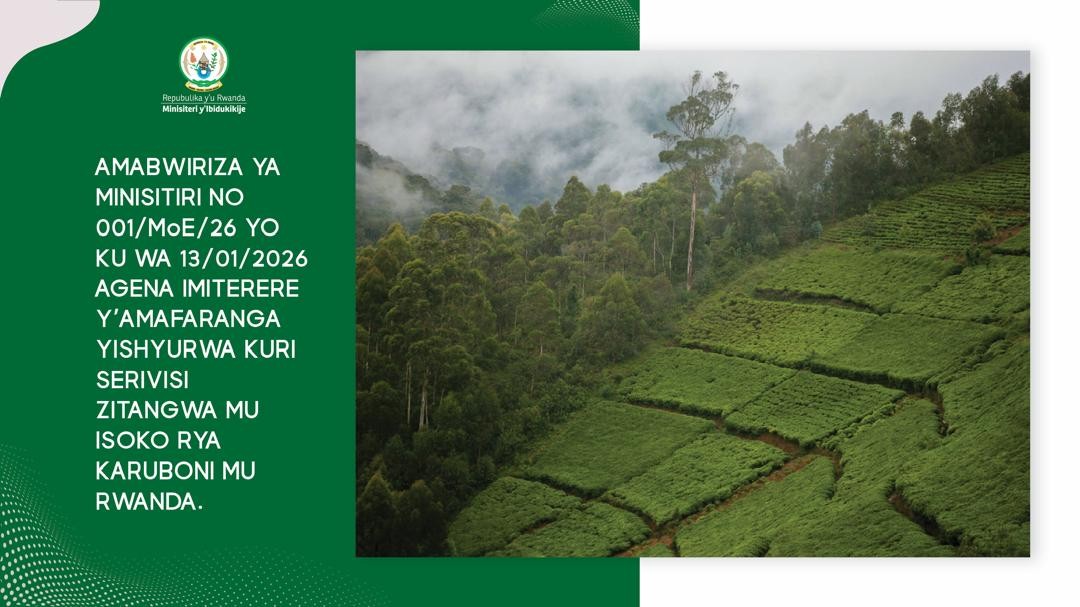
Kuwa 13 Mutarama 2026 hasohotse amabwiriza ya Minisitiri agena imiterere y’amafaranga yishyurwa kuri serivisi zitangwa mu isoko rya karuboni mu Rwanda.
Amabwiriza ya Minisitiri agena imiterere y’amafaranga yishyurwa kuri serivisi zitangwa mu isoko rya karuboni mu Rwanda yashyizweho nyuma y’uko u…
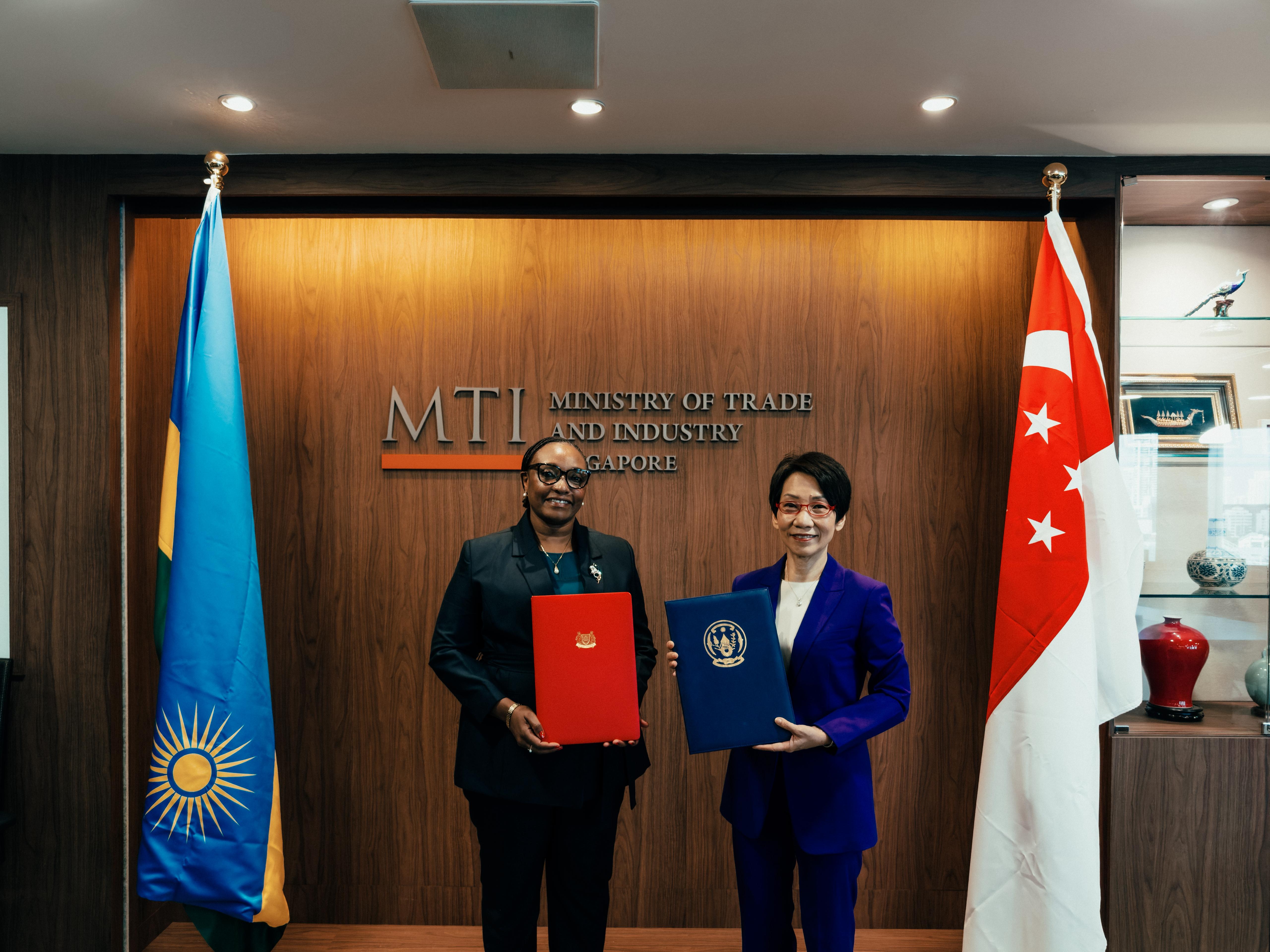
RWANDA AND SINGAPORE SIGN IMPLEMENTATION AGREEMENT UNDER ARTICLE 6 OF THE PARIS AGREEMENT
The Government of Rwanda and the Government of Singapore have today signed an Implementation Agreement pursuant to Article 6 of the Paris Agreement,…
RWANDA LAUNCHES LEGACY TREE PROJECT TO PRESERVE THE NATION’S OLDEST NATIVE TREES
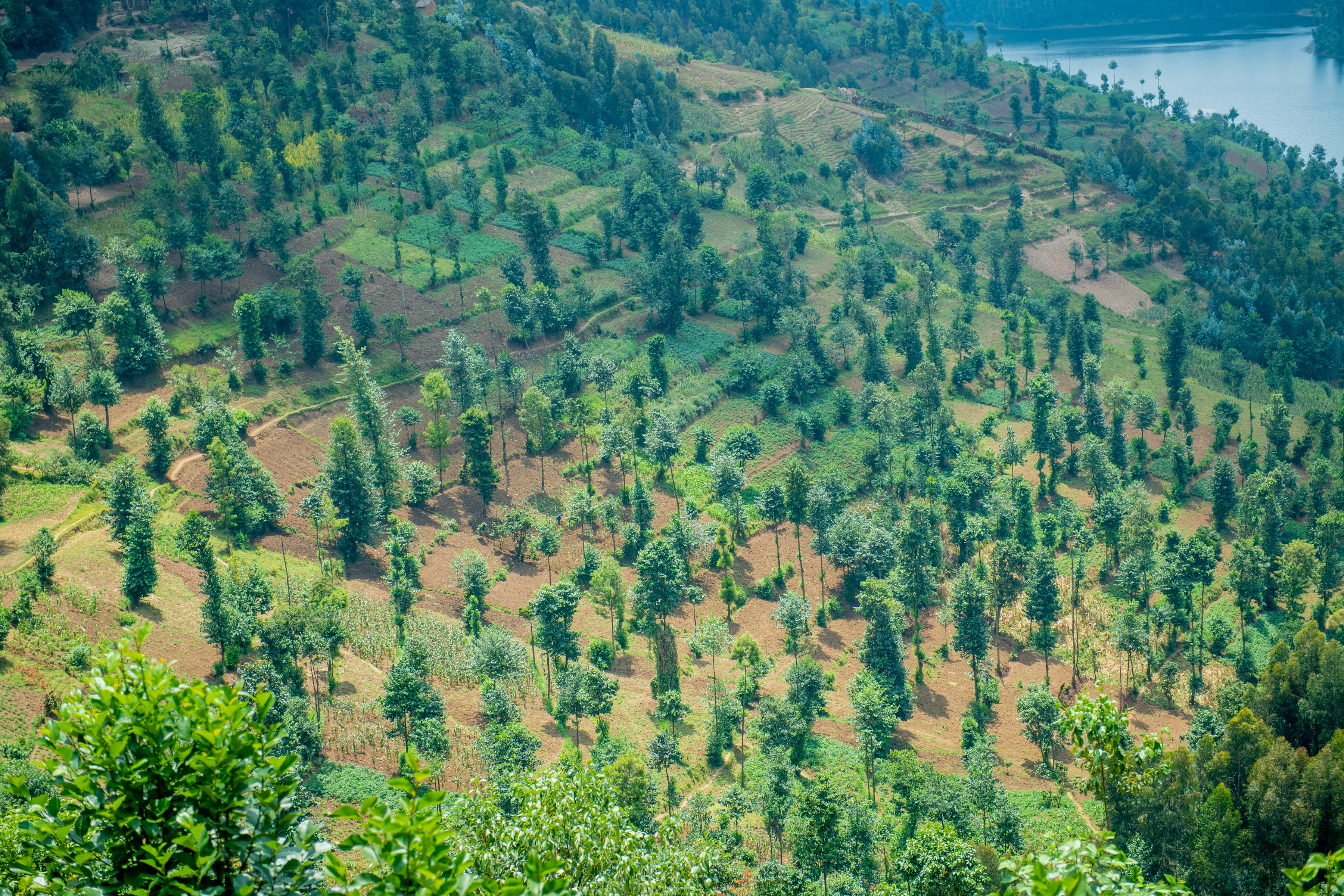
RWANDA’S 2024 ACHIEVEMENTS IN CLIMATE ACTION AND SUSTAINABILITY
Rwanda demonstrated its commitment to environmental sustainability and climate resilience through a series of impactful initiatives in 2024.
The…
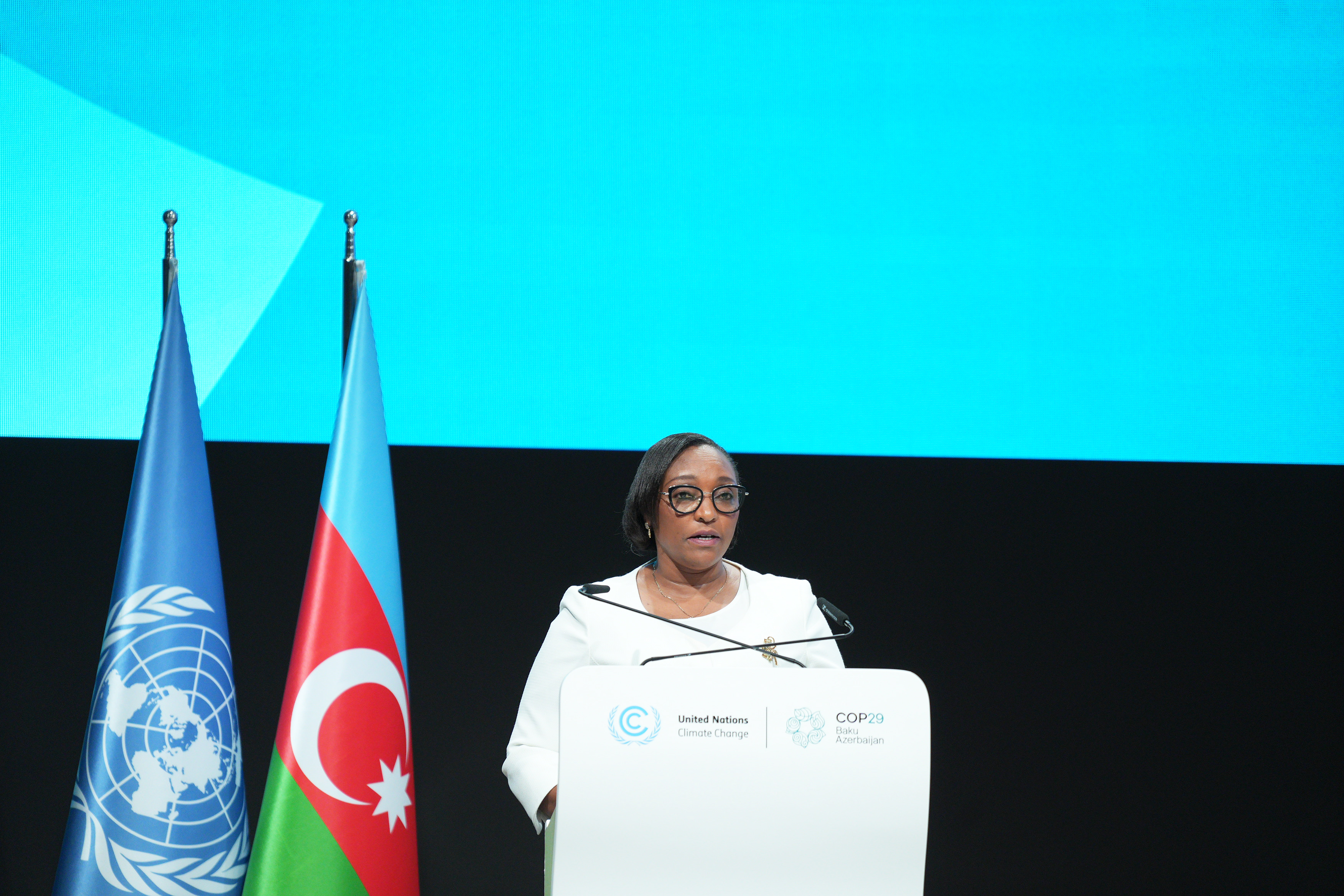
NATIONAL STATEMENT DELIVERED AT COP29 BY DR. VALENTINE UWAMARIYA, MINISTER OF ENVIRONMENT
COP29 President,
Excellencies,
Distinguished ladies and gentlemen,
I would like to express our gratitude and appreciation to the Government of…
RWANDA’S PARTICIPATION AT COP29: LEADING THE CALL FOR CLIMATE ACTION
The UN Climate Change Conference (COP29) begins today in Baku, Azerbaijan, bringing together governments, civil society, and the private sector to…
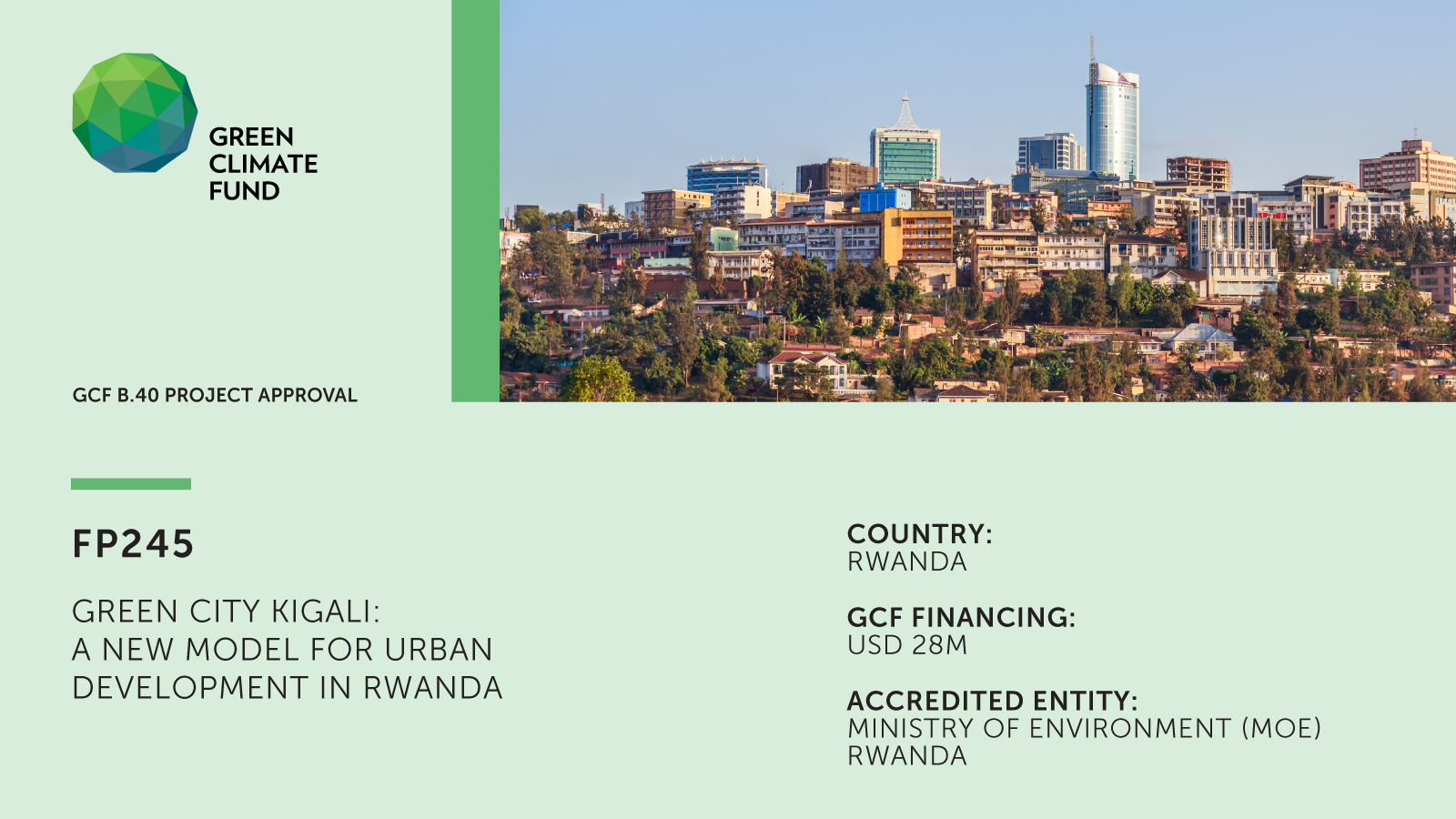
Green Climate Fund Approves $28 Million Grant for Green City Kigali Project
The Government of Rwanda, through the Ministry of Environment, is proud to announce the approval of a $28 Million grant funding by the Green Climate…