How Rwanda is putting its forests first in the fight against climate change

In 2011, Rwanda introduced a Green Growth and Climate Resilience Strategy to guide the country to become a developed, low carbon economy by 2050. Recognising the importance of the country’s forests to this goal, the strategy features ‘Sustainable Forests and Agroforestry’ as one of 14 programmes of action.
The ‘Sustainable Forests and Agroforestry’ programme aims to ensure effective and long-term management of both individual and government-owned forests.
Today, 30.4% of Rwanda is covered with forests. Furthermore, every year Rwandans plant millions of trees as part of an annual tree planting season with the common objective to maintain the forest coverage and increase their productivity.
Some of the outcomes of the Green Growth and Climate Resilience Strategy under the
‘Sustainable Forests and Agroforestry’ programme of action are highlighted below.
-
Achieving 30.4% forestry cover in Rwanda
Thanks to Rwanda's vision and forward-thinking policies, the country became one of the early adopters of the Bonn Challenge - a global effort to bring 150 million hectares of the world’s deforested and degraded land into restoration by 2020, and 350 million hectares by 2030. In 2011, Rwanda set the goal of restoring two million hectares of deforested and degraded land by 2020.
Rwanda’s efforts to manage existing forests, reforest and restore areas of the country and achieve its Bonn Challenge commitments have led to 30.4% of the country being covered with forests. These areas play an important role in mitigating Rwanda’s contribution to climate change. Efforts are now in place to develop new green and public space in Rwanda’s cities as per recently developed land-use masterplans. The development of the Nyandungu Wetland in the City of Kigali into a recreational facility is one example of this.
The country has also established Tree Seed Centres in Gatsibo and Huye districts to increase the availability of high-quality seeds. The centres will promote improved woodlot management, efficient charcoal production, alternative energy and, importantly, improved seed quality. The Tree Seed Centres are a one-stop-shop for tree seed supply activities, such as establishing new seed sources, tree improvement, genetic conservation, as well as seed collection, processing and distribution. The centres will build on Rwanda’s reforestation successes, and support efforts to scale up agroforestry across the country.
-
Forest Planting Season and Umuganda
The Government of Rwanda has invested in afforestation and reafforestation through an annual forest planting season. For instance, Rwandans planted 25 million trees during the 2020/21 Forest Planting Season in an effort to expand and restore forests and contribute to the global effort to address climate change. The season’s planting efforts included 7,400 hectares of agroforestry, 900 hectares of classic forest and 77,000 fruit trees. 500 hectares of private woodlots were rehabilitated to increase their productivity. This year, approximately 43 million trees will be planted.
Rwanda’s monthly community service brings people together to achieve a common outcome. Known as Umuganda, this home grown initiative has provided the opportunity for people to engage in planting trees to increase the country’s forest coverage as well as protect the environment in their local area.
Today, the current country’s forest cover is equivalent to 30.4% - about 724,662 hectares. Of this, 53% are plantations, 21% are wooded savannas, 19% are natural mountain rainforests and 6.2% are shrubs.
-
Privatisation (leasing) of woodlots for efficient forest management
Under the country’s privatisation policy, Rwanda has partnered with the private sector to ensure the efficient management of the state-owned forests. The Ministry of Environment launched the first Private Forest Management Units in 2019 to safeguard individual forests and boost forest harvesting as a strategy to maintain and manage woodlots effectively. Today, 23,456.15 hectares (equivalent to 38.4% of state forests) are now managed by private investors through long term concession agreements.
-
Creation of Gishwati-Mukura National Park
Rwanda recently created one of Africa's newest national parks, Gishwati-Mukura, to protect ancient rainforests and chimpanzees. The park is made up of two separate forests – the larger Mukura and smaller Gishwati – which are located within the landscape. The forests sit on the ridge which divides the Congo and Nile water catchment areas, along the biodiverse Albertine Rift.
The rehabilitation of the Gishwati-Mukura landscape and the creation of the park was made possible with the support of the Global Environment Facility and the World Bank through the Landscape Approach to Forest Restoration and Conservation (LAFREC) project implemented by the Rwanda Environment Management Authority in close collaboration with Rwanda Forestry Authority, Rwanda Development Board and Districts. The five-year project built on the work done by the Forest of Hope Association and rehabilitated Gishwati-Mukura using a landscape approach to bring the forest ecosystems into better management and realise a range of benefits for local communities.
The Rwanda Development Board is now working on a multi-phased conservation and tourism management programme for Gishwati-Mukura focused on ecology and conservation initiatives including ranger presence, law enforcement, science, engagement with community cooperatives, human-wildlife conflict resolution, research, environmental monitoring and responsible tourism promotion. The programme is being developed in partnership with the local government and Imizi, a subsidiary of Wilderness Safaris.
-
Expanding Volcanoes National Park
Rwanda is embarking on an ambitious project to expand Volcanoes National Park and ensure a bright future for the mountain gorillas that call its mountain forests home. This once in a generation initiative will expand the park by approximately 23%, increasing its size by 37.4 square kilometres (3,740 hectares).
Volcanoes National Park is a fragile ecosystem and currently relatively small at just 160 square kilometres. That is why Rwanda is expanding the park by almost a quarter of its current size. A larger park will improve the mountain gorilla habitat and support a 15-20% increase in the population size and a 50% reduction in infant gorilla mortality.
The expansion of Volcanoes National Park will improve the lives of the communities living around the park and make visiting the gorillas an even more incredible experience.
Learn more about the expansion of Volcanoes National Park at www.visitrwanda.com/gorillas.
Topics

CMAS 2026 PROGRAMME LAUNCHED AS AFRICA’S CARBON MARKETS MOVE FROM READINESS TO DELIVERY
Africa is emerging as an exciting destination to develop carbon market projects with improved policy certainty and more and more projects becoming…
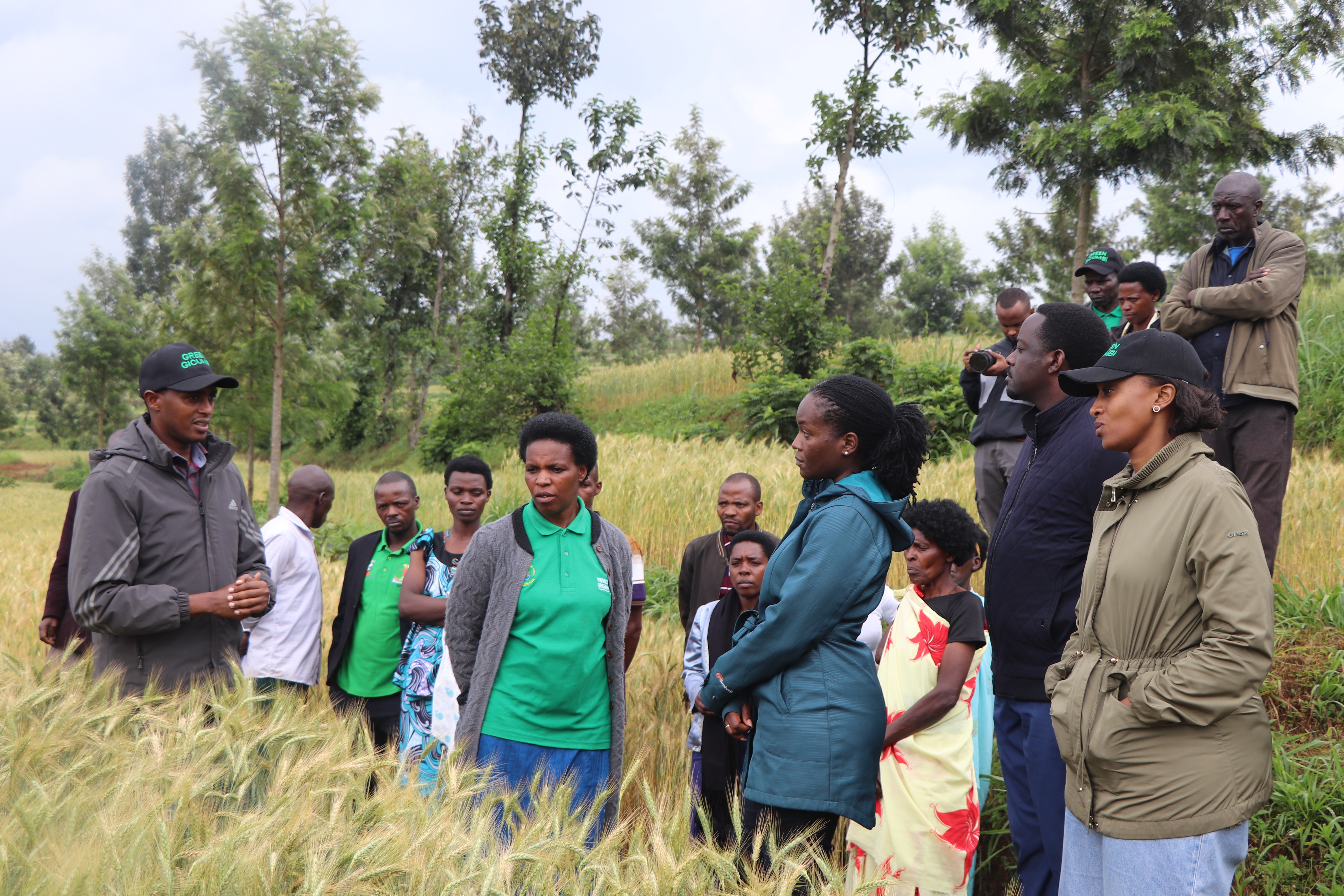
Minister Dr. Arakwiye Bernadette Visits Green Gicumbi Project in Northern Rwanda.
Minister of Environment Dr. Arakwiye Bernadette visited Green Gicumbi Project to assess the progress and impact of climate-resilient interventions…
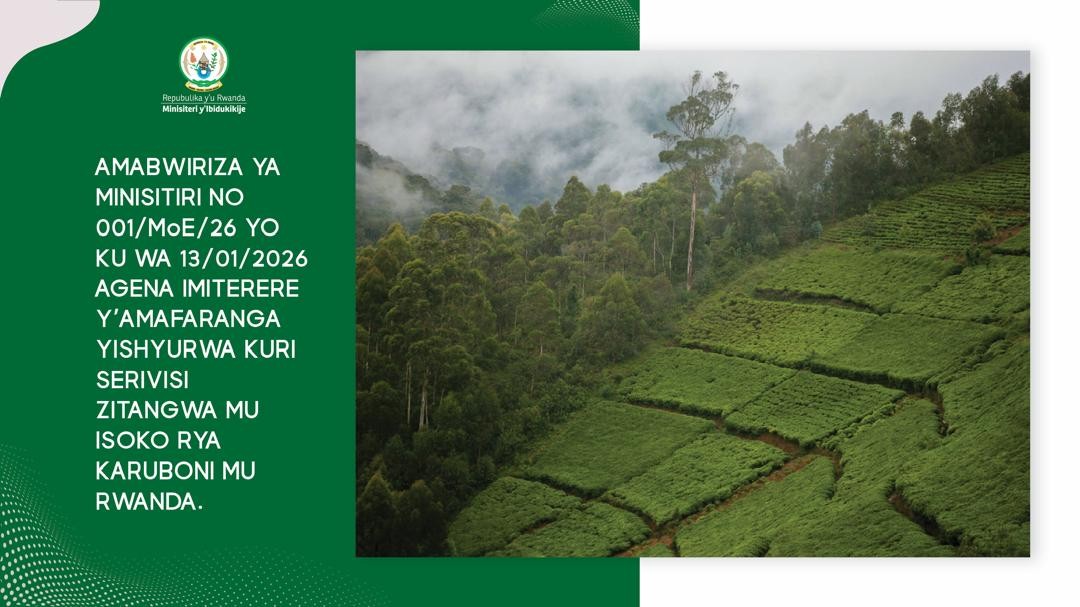
Kuwa 13 Mutarama 2026 hasohotse amabwiriza ya Minisitiri agena imiterere y’amafaranga yishyurwa kuri serivisi zitangwa mu isoko rya karuboni mu Rwanda.
Amabwiriza ya Minisitiri agena imiterere y’amafaranga yishyurwa kuri serivisi zitangwa mu isoko rya karuboni mu Rwanda yashyizweho nyuma y’uko u…
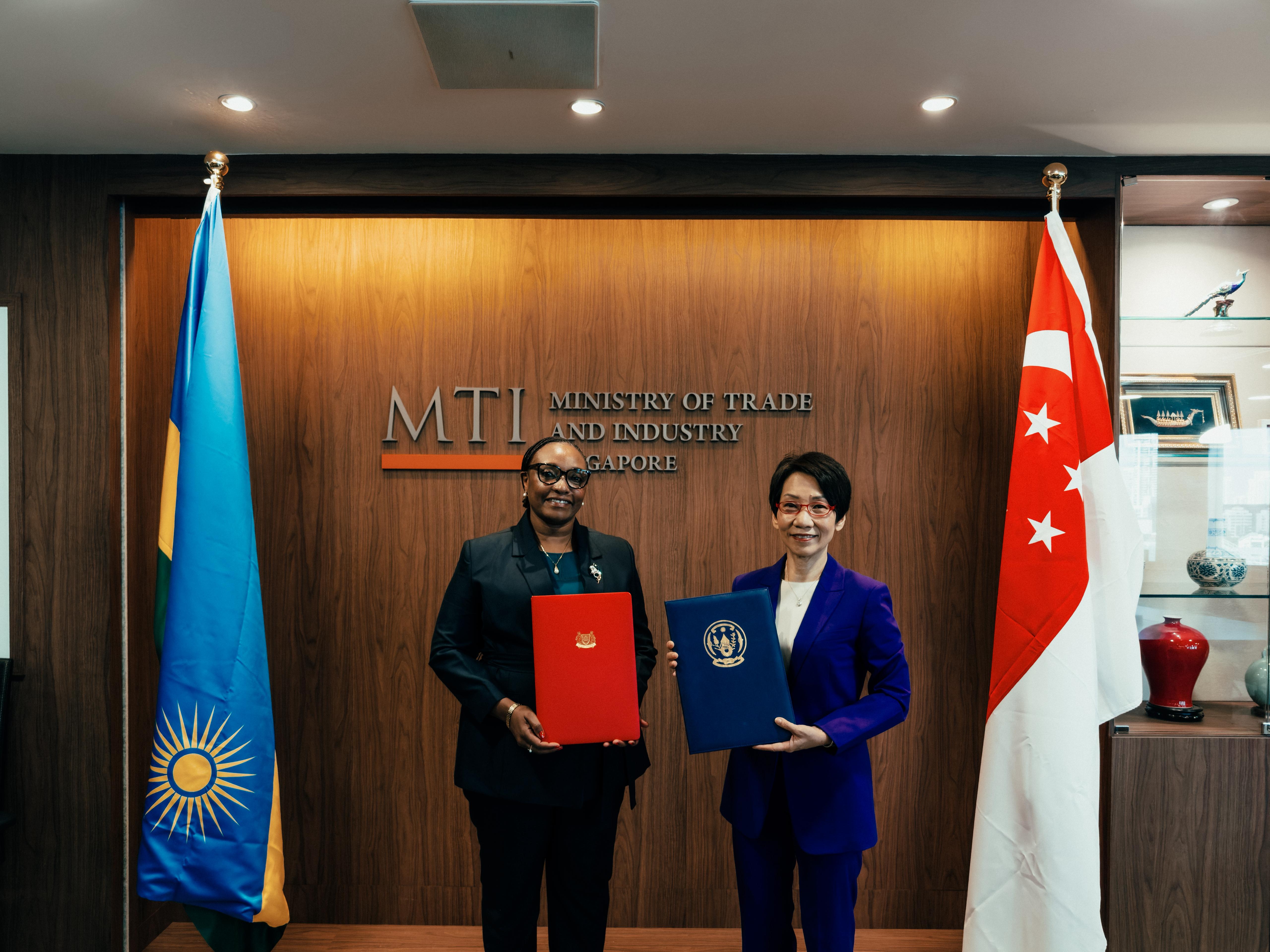
RWANDA AND SINGAPORE SIGN IMPLEMENTATION AGREEMENT UNDER ARTICLE 6 OF THE PARIS AGREEMENT
The Government of Rwanda and the Government of Singapore have today signed an Implementation Agreement pursuant to Article 6 of the Paris Agreement,…
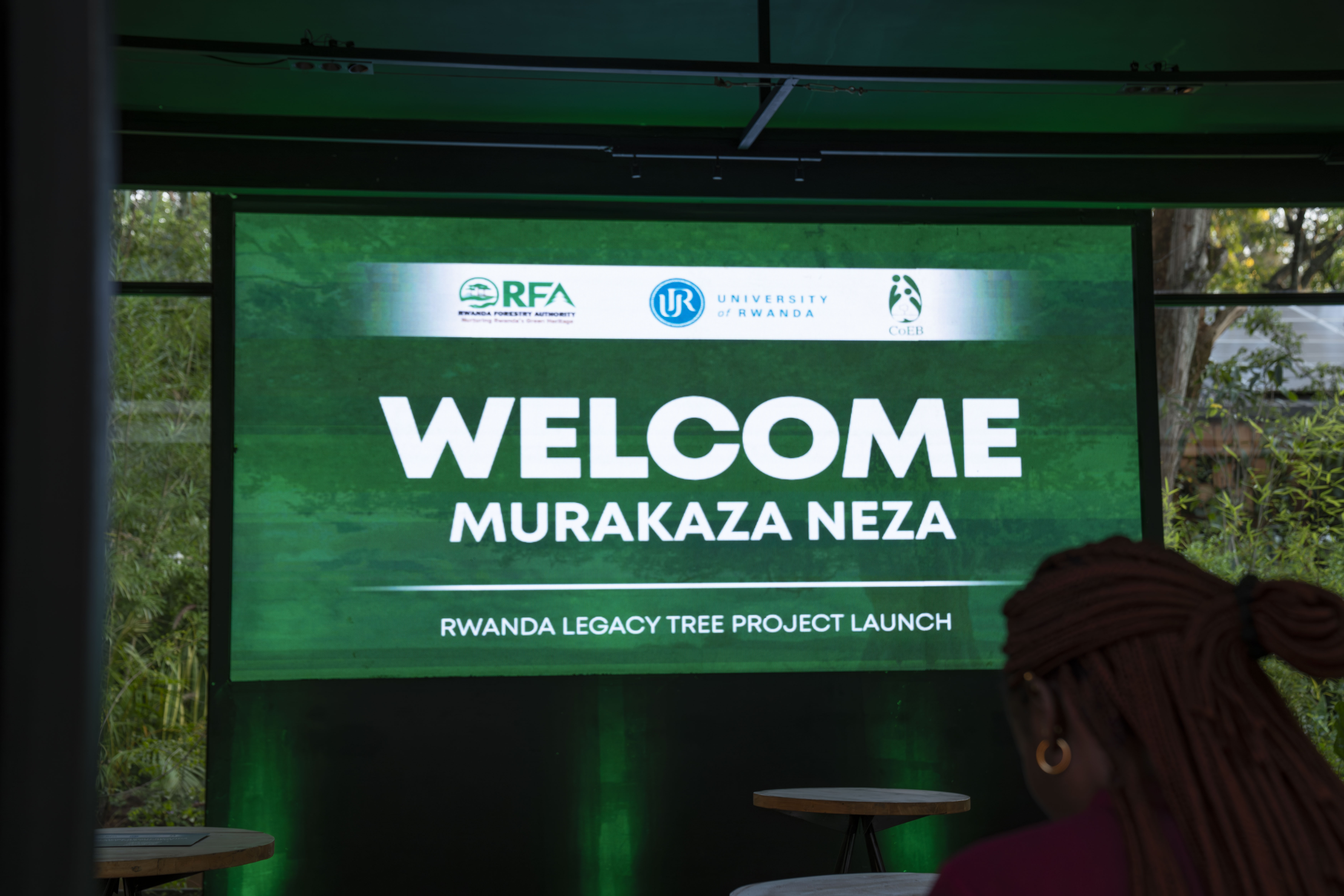
RWANDA LAUNCHES LEGACY TREE PROJECT TO PRESERVE THE NATION’S OLDEST NATIVE TREES
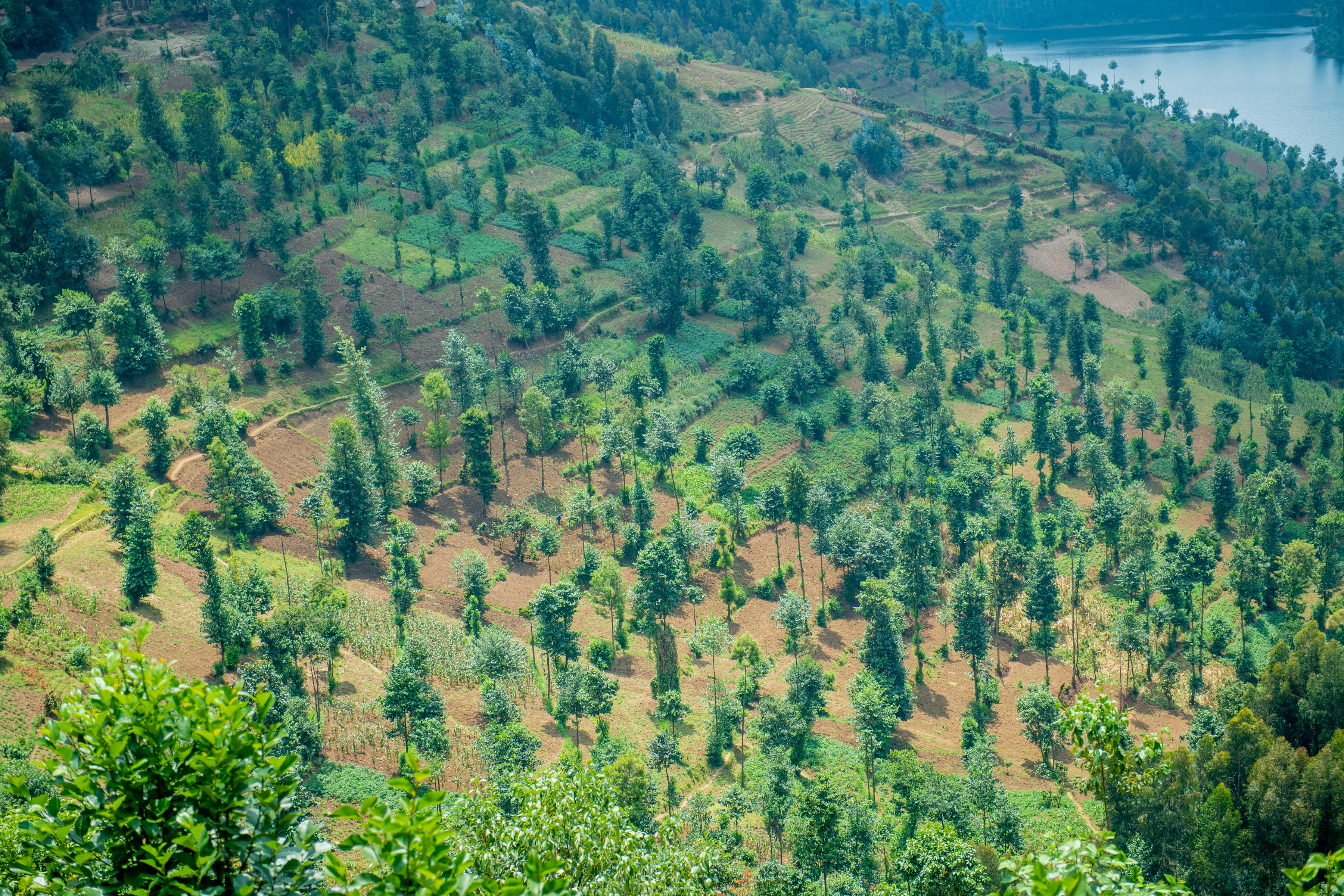
RWANDA’S 2024 ACHIEVEMENTS IN CLIMATE ACTION AND SUSTAINABILITY
Rwanda demonstrated its commitment to environmental sustainability and climate resilience through a series of impactful initiatives in 2024.
The…
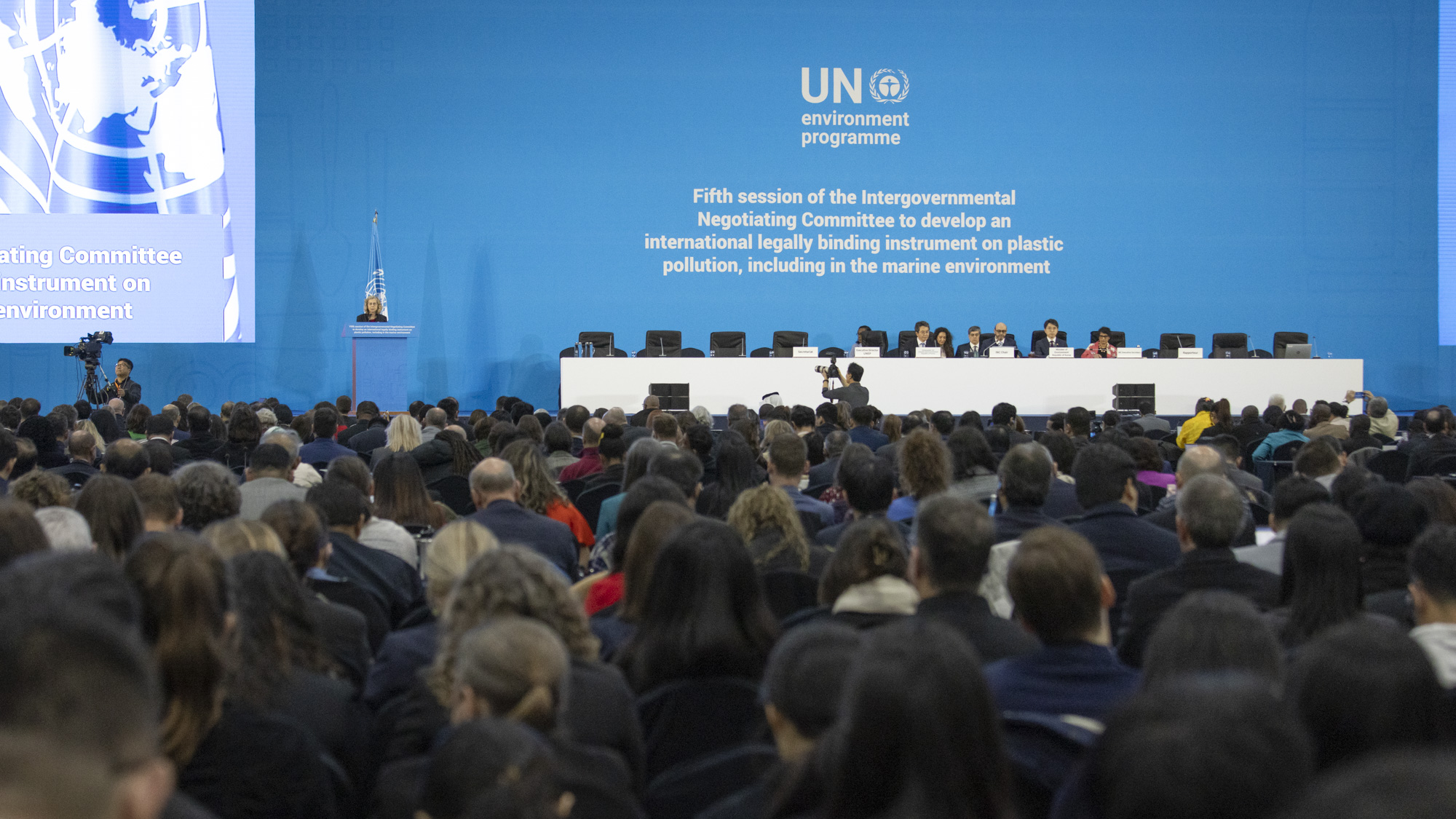
RWANDA CALLS FOR AMBITIOUS GLOBAL TREATY TO END PLASTIC POLLUTION
As negotiators from around the world gather for the fifth session of the Intergovernmental Negotiating Committee (INC-5), Rwanda reiterates its…
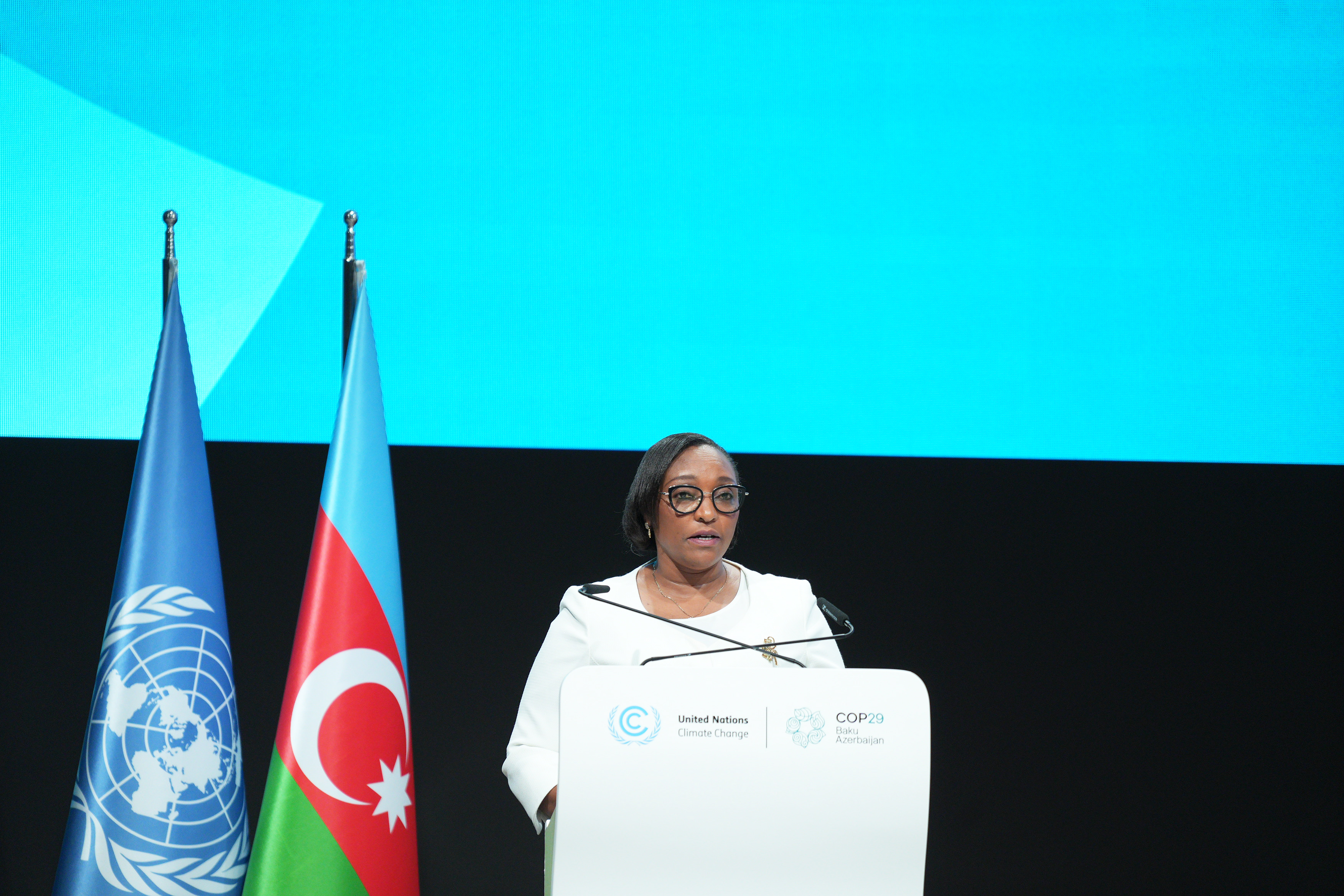
NATIONAL STATEMENT DELIVERED AT COP29 BY DR. VALENTINE UWAMARIYA, MINISTER OF ENVIRONMENT
COP29 President,
Excellencies,
Distinguished ladies and gentlemen,
I would like to express our gratitude and appreciation to the Government of…
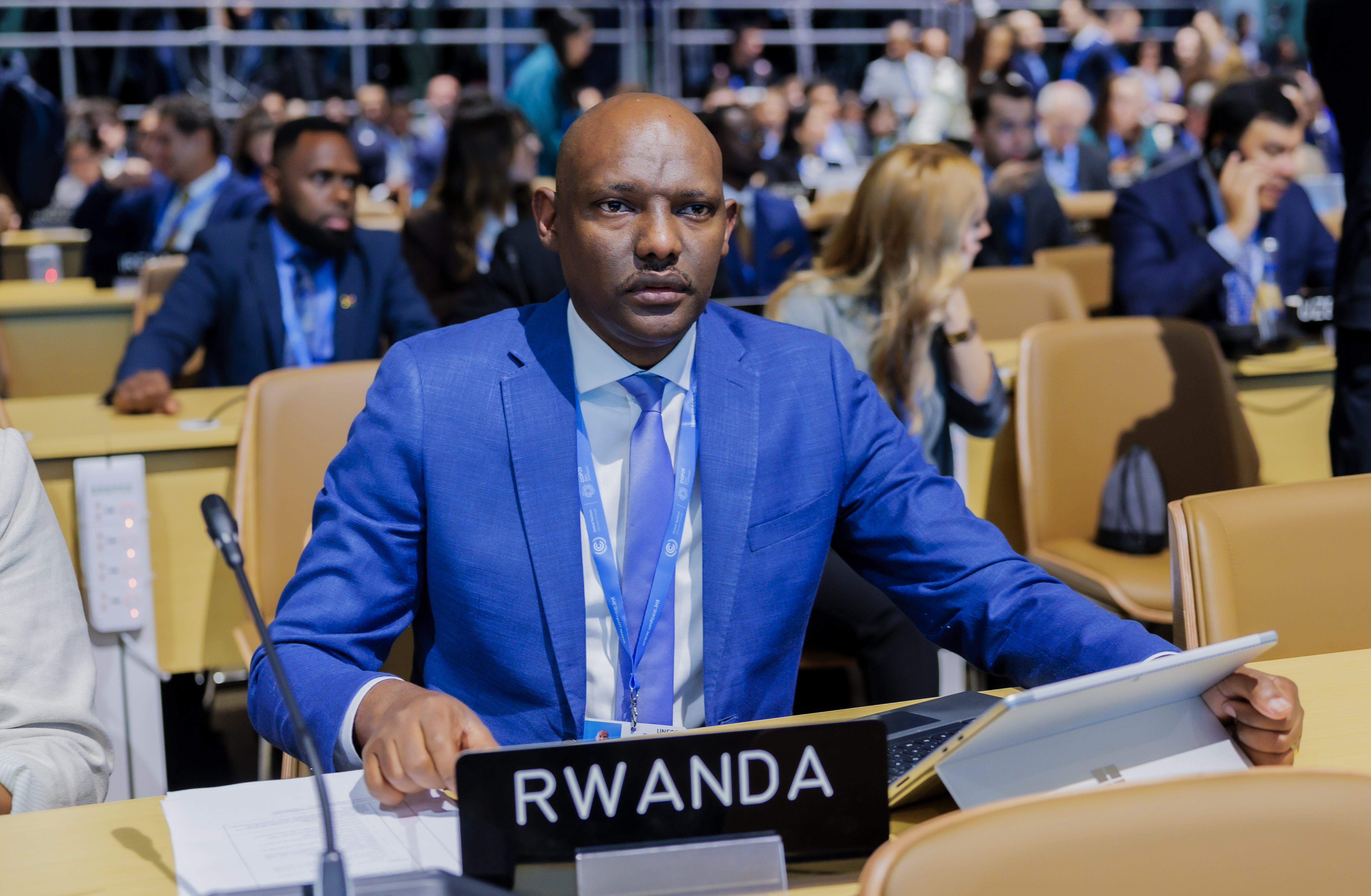
RWANDA’S PARTICIPATION AT COP29: LEADING THE CALL FOR CLIMATE ACTION
The UN Climate Change Conference (COP29) begins today in Baku, Azerbaijan, bringing together governments, civil society, and the private sector to…